Where the Risk Sits and What Players Actually Think
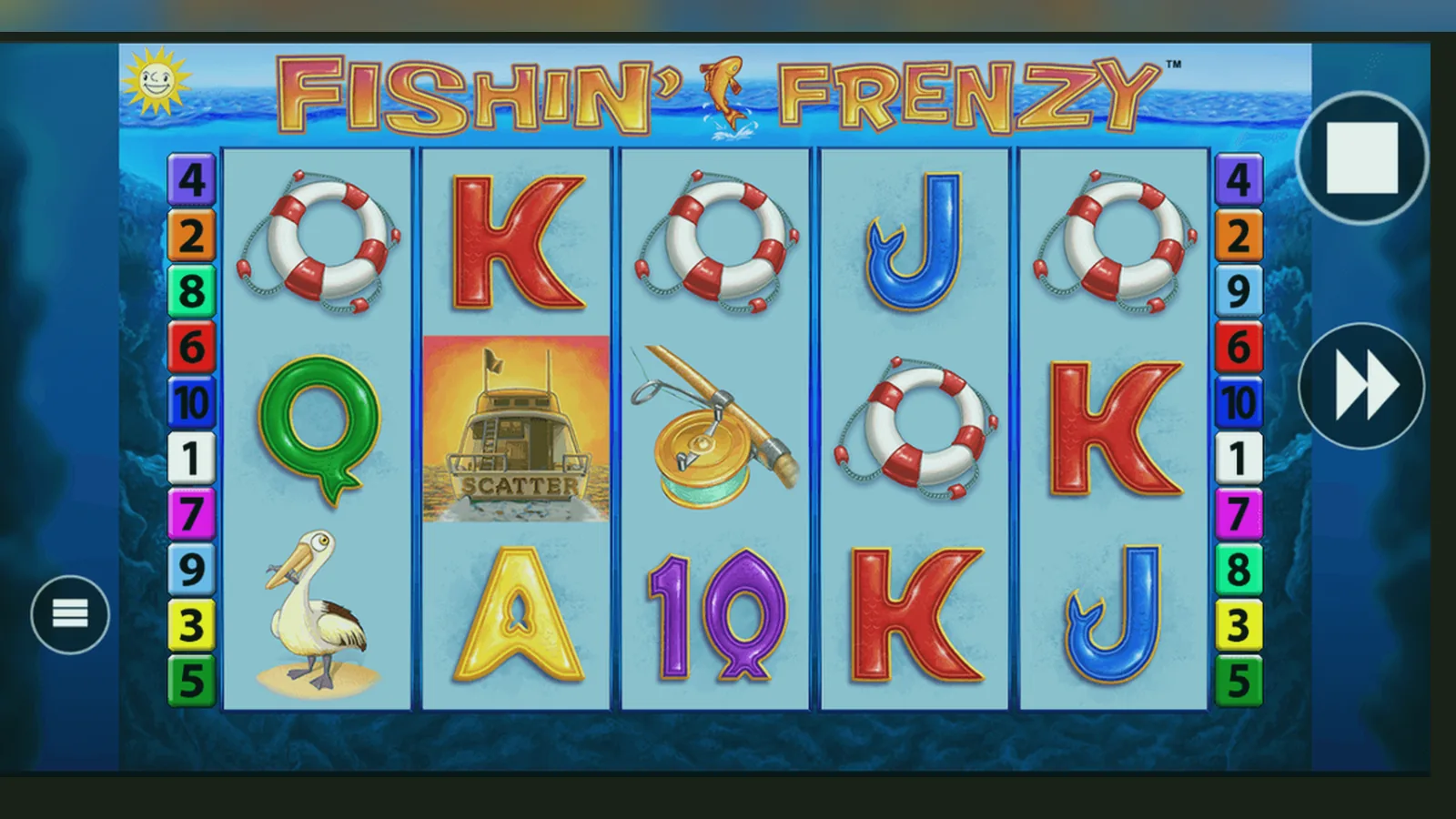
Fishin' Frenzy is a 10-payline underwater slot from Blueprint Gaming. Medium-high volatility, 96.12% RTP, and a free-spins round that collects fish prizes. It suits patient players with a £50+ session bankroll who can tolerate 30–50 dead spins between bonus triggers. Skip it if you want frequent small wins or jackpot potential beyond 5,000× stake.
The maths sits in the bonus round: base-game wins cover 20–30% of your spend, the rest comes from free spins that land every 100–150 spins on average. That structure means swings, and the £5 stake cap under UKGC rules (£2 if you're 18–24) keeps the ceiling realistic. Here's what the numbers mean in practice, what mobile does differently, and where four real players found friction.
Scores and the Reasoning Behind Them
Six criteria, weighted by how they affect a typical £50 session on a UKGC-licensed site. Each score reflects the trade-off you're making.
Maths: 96.12% RTP is above the UK market average of 95%, but variance pushes 70% of the return into bonus rounds. That means dry spells. The structure works if you budget for them.
Bonus round: free spins with prize collection and a 2× wild multiplier. When it hits, you're looking at 20–150× stake, occasionally 500× or more. The frequency (every 100–150 spins) means you'll trigger it once or twice in a typical session, and that's where the session outcome is decided.
Pace: the base game is slow. Ten paylines, simple symbols, and long gaps between three-of-a-kind wins. If you need constant action, this rhythm will frustrate you.
Mobile: one of Blueprint's best. Portrait and landscape both work, touch controls are responsive, and the game loads in under 3 seconds on 4G. The simplified UI actually suits a small screen better than desktop.
Design: functional underwater cartoon. Not ugly, not memorable. The fisherman wild and the fish symbols do the job, but the art hasn't aged as well as the maths.
Bonus wagering: medium-high variance makes it risky for clearing a welcome offer. You can burn through 40× wagering without a bonus trigger, or clear it in 20 minutes if the round pays 200×. Most UKGC sites cap slots at £5 per spin during wagering anyway, so your effective max bet is capped. Blueprint slots do count 100% towards wagering, which helps.
Small bankroll: £20 at £0.20 per spin gives you 100 spins, which is statistically likely to miss the bonus entirely. You need £50+ and £0.50 stakes, or £100+ at £1.00, to have a reasonable shot at one or two triggers. Below that, you're gambling on an early hit.
What the Numbers Mean in a Real Session
Take a £50 bankroll at £0.50 per spin. That's 100 spins. At 96.12% RTP, the expected return is £48.06, but variance means your actual result will land anywhere from £10 to £120.
In the first 50 spins, you'll likely see 8–12 wins, mostly 2–5× stake. That recovers £10–15. The base game alone will leave you at £35–40 by spin 50. The session outcome depends entirely on whether you trigger the bonus in the next 50 spins, and what it pays.
One bonus at 50× recovers £25 and puts you at £60–65. Two bonuses at 30× each keep you roughly even. No bonus and you walk away with £20–25. That's the structure: you're paying for a lottery ticket to the free-spins round, and the base game is the admission fee.
The £5 stake cap under UKGC rules (£2 if you're 18–24) means your max win per spin is £25.00 or £10.00 in the base game, and up to £250 or £100 in a strong bonus round. That's the ceiling. Blueprint's 5,000× max win would require a max-stake bonus with every fish collected, which is statistically rare but possible.
Mobile, and How It Behaves on Local Bonuses
Mobile first: Blueprint optimised this for touch years ago, and it shows. The game scales to any screen, portrait mode works as well as landscape, and the spin button is thumb-distance from the bet adjuster. No pinch-zoom, no lag on mid-range Android devices. If you play on a commute, this is one of the few slots that won't make you regret it.
Demo mode is common on UKGC sites, but many operators gate it behind age verification. You'll need to log in to play for free, which means providing ID documents before you can test the game. That's a friction point if you just want to see the bonus round.
Real-money apps: Google Play and the App Store both allow UK gambling apps from licensed operators. Most UKGC sites run Fishin' Frenzy in a web app inside their native app, not as a standalone download. The experience is identical to mobile browser play.
Welcome bonuses: Fishin' Frenzy counts 100% towards wagering on every UKGC site I've checked, but the £5 stake cap applies during bonus play. If you take a 40× wagering offer on a £100 deposit + £100 bonus (£8,000 wagering requirement), you'll need 1,600 spins at £5.00 each, or 8,000 spins at £1.00. Medium-high variance makes that a grind, and you'll hit the affordability check threshold of £150 net deposits within the first session if you're reloading.
Safer-gambling tools: every UKGC site offers deposit limits, and affordability checks kick in from £150 net deposits a month using credit-reference data at the first stage. If you're planning multiple sessions, set a monthly limit before you start. GAMSTOP is the national self-exclusion scheme; one registration blocks every licensed site for 6 months to 5 years.
Pros, Cons, and When to Walk Away
Advantages: RTP above market average, mobile experience is seamless, bonus-round maths is transparent and repeatable, and the game is available at every major UKGC operator. The £0.10 minimum stake makes it accessible, even if the variance punishes small bankrolls.
Disadvantages: slow base game, long gaps between bonus triggers, and 70% of the RTP locked in free spins. If you need frequent wins to stay engaged, or if your session bankroll is under £50, the structure works against you. The 5,000× max win is lower than modern competitors, and the design looks dated next to 2025 releases.
- Skip it if you want wins every 5–10 spins, or if £20–30 is your session budget.
- Skip it if you're clearing a welcome bonus and don't want to risk a 40-spin dead streak during wagering.
- Skip it if visual design matters as much as maths — the cartoon fish haven't aged well.
- Play it if you've got £50+, patience for 100+ spins, and a taste for the 50–500× swings that free spins deliver.
Alternatives and When to Pick Them
| Game | Why Switch | Who It Suits | |
|---|---|---|---|
| Eye of Horus (Blueprint) | Lower variance, more frequent small wins, similar RTP at 96.31%. Base-game multipliers keep the pace livelier. | Players who want 20–30× hits every 20–30 spins instead of waiting 100 spins for a bonus. | → |
| Starburst (NetEnt) | Low variance, 96.09% RTP, re-spins on every wild. Designed for small bankrolls and bonus wagering. | Anyone with £20–30 who wants 50–60 spins guaranteed, or clearing a 40× wagering requirement safely. | → |
| Dead or Alive 2 (NetEnt) | Extreme variance, 96.8% RTP, max win 111,111×. Sticky-wild free spins can pay 1,000–5,000× regularly. | High-risk players with £100+ who want one or two massive rounds and don't mind losing the bankroll if they miss. | → |
| Gonzo's Quest Megaways (Red Tiger) | Medium variance, 96% RTP, up to 117,649 ways, multipliers to 15× in base game. Modern maths and visuals. | Players who want variety in mechanics and a faster pace without committing to extreme swings. | → |
Eye of Horus smooths out the variance without sacrificing RTP. Starburst is the opposite extreme: low risk, low ceiling, ideal for small stakes. Dead or Alive 2 is for players who treat the session as a single bet on one or two bonus rounds. Gonzo's Quest Megaways sits in the middle: more entertaining than Fishin' Frenzy, more stable than Dead or Alive, and the Megaways mechanic keeps the base game lively.
What Players Say — Four Opinions from the Field
These are individual experiences, not proof of payout behaviour. Variance means one session at 50× and another at 0× can both happen at 96.12% RTP.
Common thread: the session lives or dies on bonus frequency. Players with £50+ and patience did better. Players under £40 regretted the stake choice. Nobody praised the base game.
FAQ
What stake should I use if I've got £50 for the session?
£0.50 per spin gives you 100 spins, which is enough to have a reasonable shot at one or two bonus triggers. At £1.00, you've got 50 spins, and the chance of missing the bonus entirely is higher. At £0.30 or below, you're stretching the session too thin — the wins won't feel proportional to the wait. If you're 18–24, the £2 stake cap applies, so your effective max is £2.00, and £0.50 is the sweet spot for a £50 bankroll.
Does Fishin' Frenzy work for clearing a welcome bonus under UKGC wagering rules?
It counts 100% towards wagering on every UKGC site, but medium-high variance makes it risky. You can burn through 30–40% of the bonus balance in a dead streak, or clear the requirement quickly if you hit two strong bonus rounds. The £5 stake cap during bonus play (£2 if you're 18–24) slows the process. If you're risk-averse, a lower-variance slot like Starburst or Blood Suckers is safer. If you're comfortable with swings, Fishin' Frenzy can clear wagering faster when the bonus rounds pay.
Where do I check if a site is properly licensed for UK players?
Look up the operator in the UKGC public register and match the licence number in the site footer. Every legal operator serving British players needs a remote gambling licence from the UK Gambling Commission. If the footer shows a Curaçao, Malta, or offshore licence without a UKGC number, the site is illegal to market here and you've got no regulatory protection. Affordability checks, GAMSTOP, and the stake caps only apply to licensed sites.
What's a realistic stop rule for a first session with Fishin' Frenzy?
Set a walk-away point at 50% loss and 50% profit. If you start with £50, stop at £25 or £75. The maths says you'll hit one of those boundaries within 80–120 spins most of the time. If you reach £75, take the win — chasing a second bonus round is how you give it back. If you reach £25, stop and reassess whether the session bankroll suits the game's variance. Reloading after a 50% loss without adjusting your stake is where most players go wrong.